When Behavior Isn’t a Training Problem: Nutrition and the Canine Nervous System

What Emotional Regulation Requires at the Cellular Level
For years, when a dog struggled with reactivity, impulsivity, or “over-arousal,” the default assumption was training. More structure, obedience, and control.
But modern neuroscience and increasingly, veterinary research reveal something important:
Emotional regulation is biological.
A dog cannot regulate beyond the capacity of their nervous system. And the nervous system cannot function beyond the quality of its fuel.
Before we label a dog stubborn, dominant, hyper, anxious, or reactive and defiant, we need to ask a better question:
Is this nervous system adequately supported at the cellular level?
The Brain Is Tissue
The brain is not a mindset.
It is living tissue made of fatty acids, minerals, amino acids, and micronutrients.
It runs on:
• stable blood sugar
• sufficient oxygen
• anti-inflammatory fats
• properly balanced neurotransmitters
• a functioning gut-brain axis
When any of these are compromised, regulation becomes harder. Not because the dog is choosing "bad decisions". Because the brain cannot process input efficiently.
Omega-3 Fatty Acids and Reactivity
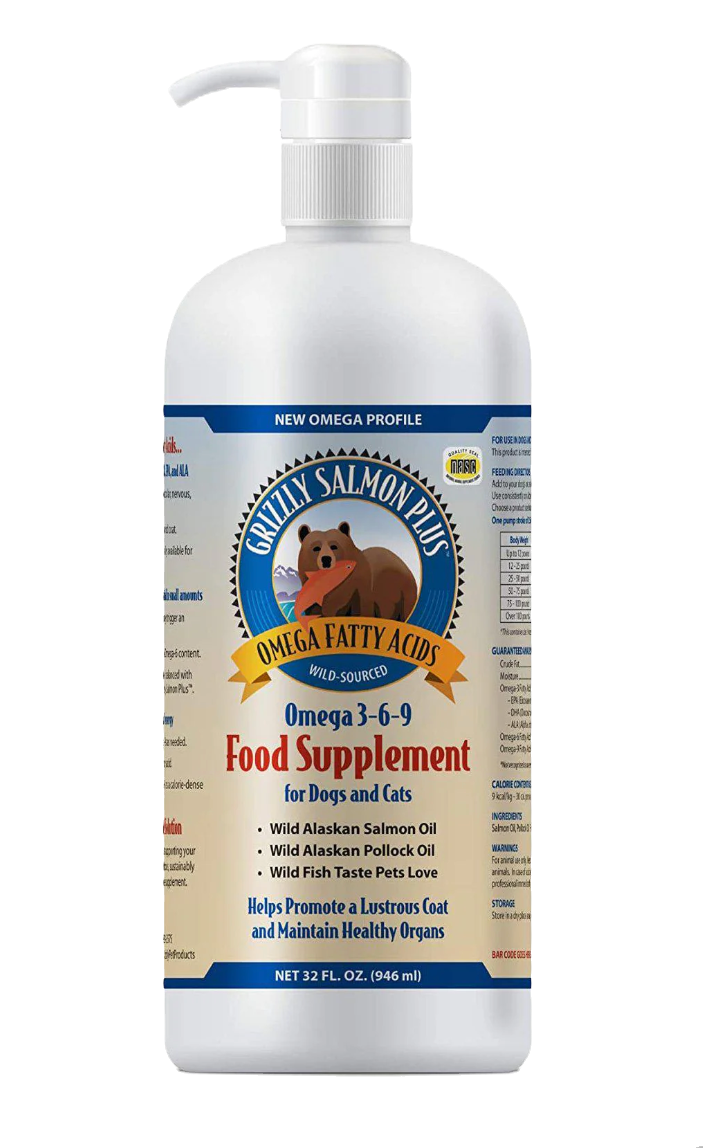
Omega-3 fatty acids (EPA and DHA) directly affect neuronal membrane fluidity and inflammatory signaling in the brain.
Low levels are associated with:
• increased aggression
• impulsivity
• poor frustration tolerance
• slower recovery after stress
Multiple studies in dogs show improved trainability and reduced aggression with appropriate marine-based omega-3 supplementation.

Protein, Tryptophan, and Serotonin
Serotonin: the neurotransmitter associated with impulse control and emotional stability is made from the amino acid tryptophan. If dietary protein is imbalanced, poorly digested, or inadequate, serotonin production may be affected.
Research in behaviorally reactive dogs shows that diets enriched with tryptophan can improve emotional stability and reduce certain forms of aggression.
Research in behaviorally reactive dogs shows that diets enriched with tryptophan can improve emotional stability and reduce certain forms of aggression.


Again, not obedience.
Biochemistry.
Magnesium and Stress Threshold
Magnesium modulates excitatory signaling in the nervous system. When marginally deficient, dogs may show:
• hypervigilance • exaggerated startle responses • muscle tension • difficulty settling
Chronic stress increases magnesium demand. A dog living in a constant state of environmental arousal may be depleting what little buffer they have.
Signs of Magnesium deficiency Possible signs your pet is deficient:
Muscle cramps
Seizures
Nervousness
Low stress tolerance
Anxiety
Depression
‘Behavioural issues’
GI upset (often constipation with low levels)
Loss of appetite and nausea
Pancreatic dysfunction decreased glucose tolerance
Fatigue
Heart arrhythmia
Hypertension
Urinary disorders in cats
Food Sources of Magnesium
Spinach – 157mg of magnesium per cup (cooked)
Swiss Chard – 151mg per cup (cooked)
Kale – 74mg per cup (cooked)
Pumpkin Seeds – 156mg per 1oz handful
Tuna – 109mg per 6oz fillet
Feeding a species appropriate diet with raw bones (ground or otherwise) or a very high quality, well produced and pure bonemeal, can also add the best form of magnesium to your pet’s diet.
Source: My Pet Nutritionist


The Gut-Brain Axis
The gut and brain communicate continuously. Microbial populations influence GABA and serotonin pathways. Chronic GI inflammation can amplify anxiety-like behaviors.
When I see:
• reactivity paired with soft stool
• chronic itching and irritability
• poor recovery and inconsistent appetite
I consider the gut part of the emotional picture. Emerging evidence shows that the gut microbiome and nervous system communicate bidirectionally, influencing behavior and neural signaling in dogs.
Mammalian research, including canine studies, demonstrates continuous two-way communication between the gut microbiota, immune system, and nervous system, affecting both physiology and behavior through mechanisms such as neurotransmitter modulation and microbial metabolites like short-chain fatty acids.
The gut microbiota also impacts canine anxiety through neural, endocrine, and immune pathways; a 2024 veterinary review highlights that balanced microbial populations communicate with the brain via metabolic, neural, endocrine, and immune-mediated channels, while dysbiosis may contribute to anxiety and stress-related behaviors.
Emerging research further shows that distinct gut microbiota compositions correlate with higher anxiety and aggression profiles in pet dogs, strengthening the evidence for a functional gut–brain axis in canine emotional regulation.


The Cultural Blind Spot
In modern dog culture, we often separate behavior from biology. We evaluate compliance before we evaluate physiology. We ask for calm before we consider whether the body has the resources to create calm. That inversion matters. When we treat regulation as a training outcome rather than a biological capacity, we risk misreading the dog in front of us.
Regulation is not a moral achievement. It is not proof of respect, leadership, or character. It is a function of nervous system capacity, and nervous system capacity depends on physiology. A dog cannot regulate beyond what their biology allows.
A Better Question
Instead of asking, How do I get this dog to behave? we might ask, What does this nervous system need in order to regulate? Sometimes the answer is environmental change. Sometimes it is skill-building and thoughtful training. Sometimes it is pain assessment or recovery time. And sometimes, it is as foundational as omega-3s, adequate protein, or a more balanced diet.
Behavior is the output. The nervous system is the mediator. Biochemistry is part of the terrain. If we want sustainable change — not suppression, not short-term compliance — we cannot ignore the terrain.

Jessica Logan is a dog behavior specialist and educator based on Salt Spring Island, helping people and dogs build safety, trust, and understanding through connection and co-regulation.


